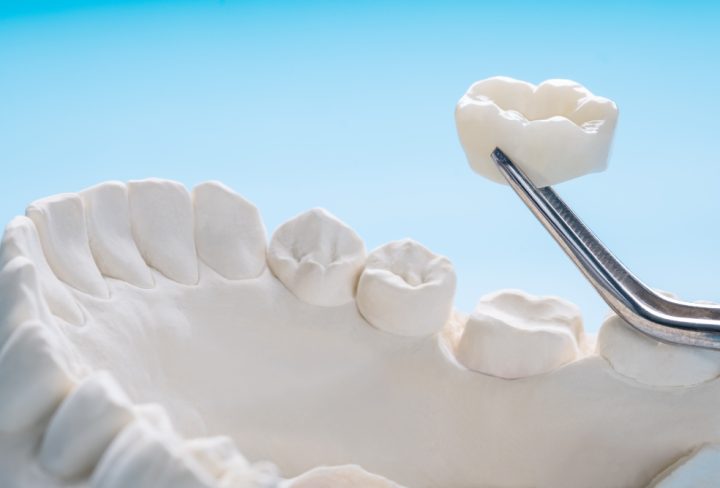
What Are Dental Crowns?
Dental crowns are tooth-shaped caps that cover and protect damaged teeth. Dentists use dental crowns to restore the shape, size, and strength of a tooth. Often, dental crowns for damaged teeth help improve both function and appearance. According to the American Dental Association, crowns are a common solution for many dental problems.
Common Reasons for Needing Dental Crowns
There are several reasons why someone might need a dental crown. For example, you may need a crown if you have:
In many cases, dental crowns help save teeth that might otherwise need removal.
Symptoms and Signs That May Indicate the Need for a Crown
Sometimes, it is not easy to know when you need a dental crown. However, you should watch for these signs:
If you notice any of these symptoms, you should visit your dentist soon. Early treatment can prevent further damage.
How Dental Crowns Strengthen Damaged Teeth
Dental crowns work by covering the entire visible part of a tooth. Because of this, they hold the tooth together and protect it from further harm. For instance, a crown can stop a cracked tooth from breaking apart. Also, dental crowns help restore chewing and speaking abilities. According to the CDC, crowns are a safe and effective way to keep your natural teeth longer.
The Process of Getting a Dental Crown
Diagnosis
First, your dentist will examine your tooth. Sometimes, X-rays help check the roots and surrounding bone. If the tooth is badly damaged, your dentist may recommend a dental crown procedure.
Procedure
Usually, the dental crown procedure takes two visits. However, some clinics offer same-day crowns using special technology.
Types of Dental Crowns: Materials and Their Pros and Cons
There are several types of dental crowns. Each material has its own benefits and drawbacks. Here are the most common options:
Your dentist will help you choose the best type of dental crown for your needs.
Aftercare and Maintenance Tips
Proper care helps your dental crown last longer. For best results, follow these tips:
With good care, dental crowns can last many years.
Prevention: How to Avoid Needing Dental Crowns in the Future
While dental crowns are helpful, it is better to prevent tooth damage. You can lower your risk by:
By taking these steps, you can keep your teeth strong and healthy.
Conclusion
Dental crowns for damaged teeth offer a safe and effective way to restore your smile. They protect weak teeth, improve function, and look natural. If you have signs of tooth damage, do not wait. Consult a dental specialist to find out if dental crowns are right for you.