Introduction
Many people wonder who needs dental implants and if they are the right solution for missing teeth. Dental implants have become a popular choice for those seeking lasting and natural-looking results. In this blog, we will explain what dental implants are, who may benefit from them, and how to know if you are a good candidate. We will also discuss the benefits, signs you might need implants, and tips for oral health.
What Are Dental Implants?
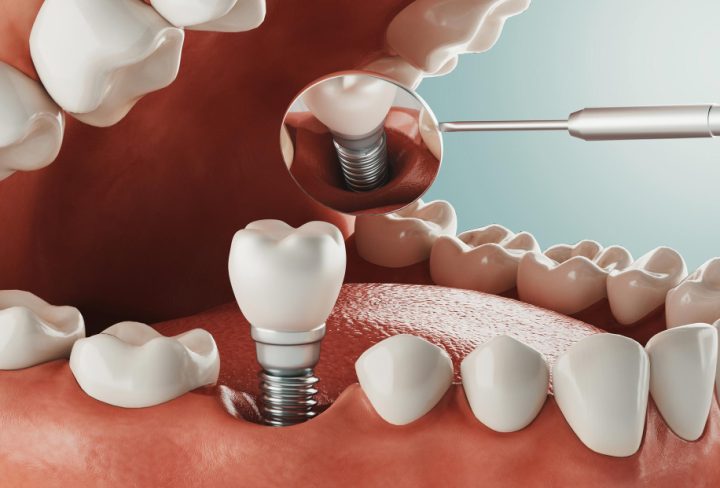
Dental implants are small metal posts placed in the jawbone. They act as roots for replacement teeth. Usually, a dentist attaches a crown, bridge, or denture to the implant. As a result, dental implants look and feel like natural teeth. According to the American Dental Association, implants are a safe and effective way to replace missing teeth.
Who Needs Dental Implants?
Not everyone with a missing tooth needs an implant. However, dental implant candidates often include people who:
For example, if you lost a tooth due to injury or decay, you may benefit from an implant. Sometimes, people with loose or ill-fitting dentures also consider implants for better comfort. In addition, those looking for a permanent fix often choose this option.
Signs and Symptoms Indicating a Need for Implants
There are several signs that you may need dental implants. These include:
If you notice any of these issues, it may be time to talk to your dentist about missing teeth solutions. Early action can help prevent further oral health problems.
Benefits of Dental Implants
Dental implant benefits go beyond just filling gaps. For instance, implants:
Moreover, implants can boost your confidence and improve your smile. Unlike removable dentures, implants stay in place and do not slip.
Who May Not Be Suitable for Implants?
While many people are good candidates, some may not be suitable for dental implants. Contraindications include:
However, your dentist can often suggest other missing teeth solutions if implants are not right for you. Sometimes, bone grafts or gum treatments can help make implants possible later on.
How to Determine Candidacy for Dental Implants
To know if you are a dental implant candidate, you need a dental evaluation. The process usually includes:
After the exam, your dentist will discuss the best missing teeth solutions for you. Sometimes, extra tests or scans are needed to plan the treatment. It is important to share all health details with your dentist for the safest care.
Prevention and Oral Health Tips for Those Considering Implants
Good oral health is key before and after getting dental implants. Here are some helpful tips:
Additionally, follow your dentist’s advice for cleaning around implants. This helps prevent infection and keeps your mouth healthy.
Conclusion
In summary, dental implants are a strong and lasting solution for many people with missing teeth. However, not everyone is a candidate. If you have missing teeth or trouble with dentures, consider talking to a dental specialist. They can help you decide if implants are right for you and guide you toward the best care for your smile.
Consult your dentist for personalized advice and to learn more about your options for dental implants.