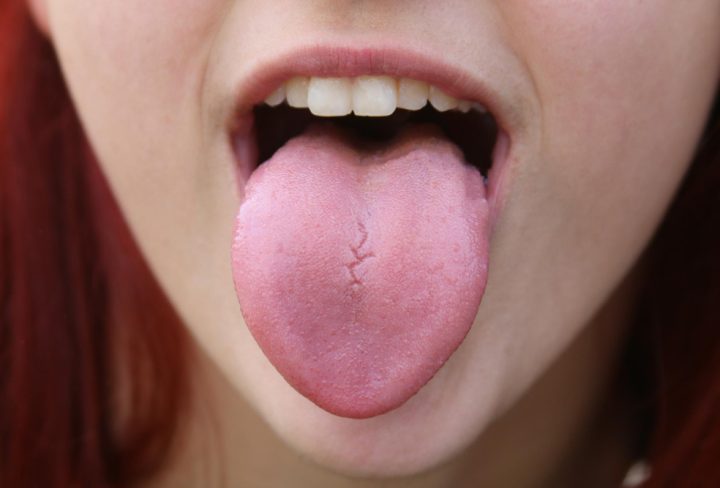
Introduction: What Is Dry Mouth and Why Does It Matter?
Dry mouth, also called xerostomia, happens when you do not have enough saliva. Saliva helps you chew, swallow, and speak. It also protects your teeth and gums. Because of this, dry mouth can cause discomfort and health problems. Many people ask, “Why do I have dry mouth?” Understanding the causes of dry mouth is important for your health and comfort.
Overview of Symptoms
Dry mouth can feel different for each person. However, some common xerostomia symptoms include:
Sometimes, these symptoms can be mild. But in other cases, they may affect daily life.
Common Causes of Dry Mouth
There are many causes of dry mouth. Some are temporary, while others may last longer. Let’s look at the most common reasons.
Medications
Many medicines can cause dry mouth as a side effect. For example, drugs for allergies, high blood pressure, depression, and pain often reduce saliva. If you take several medicines, your risk may be higher. According to the Centers for Disease Control and Prevention (CDC), hundreds of common drugs can lead to dry mouth.
Dehydration
Not drinking enough water is a frequent cause. When your body lacks fluids, it makes less saliva. Hot weather, exercise, or illness can make dehydration worse. Therefore, it is important to stay hydrated.
Medical Conditions
Some health problems can lead to dry mouth. For instance, diabetes, stroke, and autoimmune diseases like Sjögren’s syndrome affect saliva flow. Cancer treatments, such as radiation to the head or neck, may also damage the glands that make saliva.
Lifestyle Factors
Some habits can make dry mouth worse. For example:
Because these habits are common, many people experience dry mouth at some point.
Aging
As people get older, dry mouth becomes more common. This is not just because of age. Older adults often take more medicines or have health issues that affect saliva. However, dry mouth is not a normal part of aging.
Diagnosis: How Is Dry Mouth Identified?
If you have ongoing dry mouth, a dentist or doctor can help. First, they will ask about your symptoms and health history. Next, they may check your mouth and teeth. Sometimes, they will test your saliva flow. In some cases, blood tests or scans may be needed to find the cause.
Prevention Tips and Lifestyle Guidance
There are simple steps you can take to help prevent or manage dry mouth. For example:
Because dry mouth can harm your teeth, good oral care is very important.
When to See a Dentist or Doctor
If your dry mouth lasts more than a few days, you should talk to a dental professional or doctor. Also, seek help if you have trouble eating, swallowing, or speaking. Early care can prevent tooth decay and other problems. According to the World Health Organization, regular dental visits help keep your mouth healthy.
If you experience persistent dry mouth, consult a dental professional for personalized advice.