Introduction to Dental Implants and Implant-Supported Bridges
If you have missing teeth, an implant-supported bridge can help restore your smile. Dental implants for tooth replacement are a modern solution that looks and feels natural. Unlike traditional bridges, an implant-supported bridge uses small metal posts placed in your jawbone. These posts hold the bridge securely in place. As a result, you get a strong and lasting replacement for lost teeth.
What Are Dental Implants?
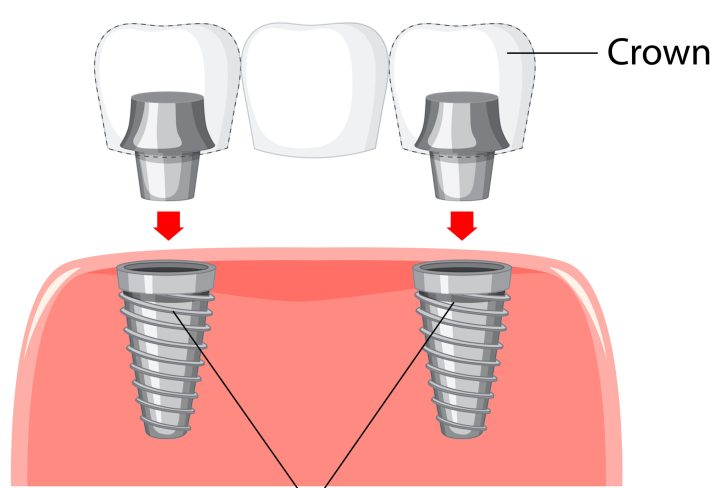
Dental implants are tiny metal posts, usually made of titanium. Dentists place them into your jawbone where teeth are missing. Over time, the bone grows around the implant, making it stable. After healing, a dentist attaches a crown, bridge, or denture to the implant. This creates a tooth replacement that looks and works like a real tooth.
What Is an Implant-Supported Bridge?
An implant-supported bridge is a dental bridge held in place by implants, not by natural teeth. This type of bridge is used when you have more than one missing tooth in a row. Instead of using your healthy teeth for support, the bridge connects to two or more implants. Therefore, it protects your remaining teeth and gives you a secure fit.
How Is It Different from a Traditional Bridge?
When Do You Need an Implant-Supported Bridge?
Sometimes, losing several teeth in a row can make eating and speaking hard. If you have gaps in your smile, you may need an implant-supported bridge. Here are some signs you might benefit:
However, only a dental specialist can confirm if this option is right for you.
Common Causes of Tooth Loss
Tooth loss can happen for many reasons. Understanding the causes can help you prevent future problems. The most common causes include:
According to the CDC, gum disease is a leading cause of tooth loss in adults.
Diagnosis and Evaluation for Dental Implants
First, your dentist will check your mouth and health history. Next, they may take X-rays or 3D scans to look at your jawbone. This helps them see if you have enough bone for implants. Sometimes, a bone graft may be needed if the bone is too thin. Your dentist will also check your gums and overall health. If you are healthy and have enough bone, you may be a good candidate for an implant-supported bridge.
The Dental Implant Procedure: Step by Step
Getting an implant-supported bridge involves several steps. Here is what you can expect:
After the procedure, you may feel some swelling or discomfort. However, most people return to normal activities within a few days.
Benefits of Implant-Supported Bridges
There are many benefits of implant-supported bridges. For example, they:
Because they are fixed in place, you do not have to remove them for cleaning.
Risks and Possible Complications
While implant-supported bridges are safe, there are some risks. These include:
However, most problems are rare and can be managed by your dentist. Following care instructions lowers your risk.
Oral Hygiene and Lifestyle Tips
Good oral care is important for implant-supported bridges. Here are some tips:
With proper care, your implant-supported bridge can last many years.
Prevention Tips for Tooth Loss
Although dental implants are a great solution, it is best to prevent tooth loss. You can protect your teeth by:
Early care helps you keep your natural teeth longer.
Costs and Insurance Considerations
The cost of an implant-supported bridge can vary. It depends on the number of implants and your location. Dental insurance may cover part of the cost, but not always. Some plans pay for the bridge but not the implants. Therefore, it is important to check with your insurance provider. Many dental offices offer payment plans to help manage costs.
Conclusion: Take the Next Step
Implant-supported bridges offer a strong and natural-looking way to replace missing teeth. They protect your oral health and boost your confidence. If you are thinking about dental implants for tooth replacement, talk to a dental specialist. They can help you decide if an implant-supported bridge is right for you. Consult a dental specialist for personalized advice on dental implants.