Many people wonder about the right dental restoration options when they have tooth damage. The choice between a tooth filling vs crown can feel confusing. Both treatments help protect your teeth, but they serve different needs. Understanding the differences can help you make the best decision for your smile. If you are searching for a dentist near you for tooth restoration, knowing these facts can help you ask the right questions.
What Is a Tooth Filling?
A tooth filling is a simple dental treatment. Dentists use fillings to fix small areas of tooth decay or minor damage. Usually, they remove the decayed part and fill the space with a safe material. Common filling materials include:
For most people, a filling is quick and helps restore the tooth’s shape and function. According to the American Dental Association, fillings are a standard way to treat early tooth decay.
What Is a Dental Crown?
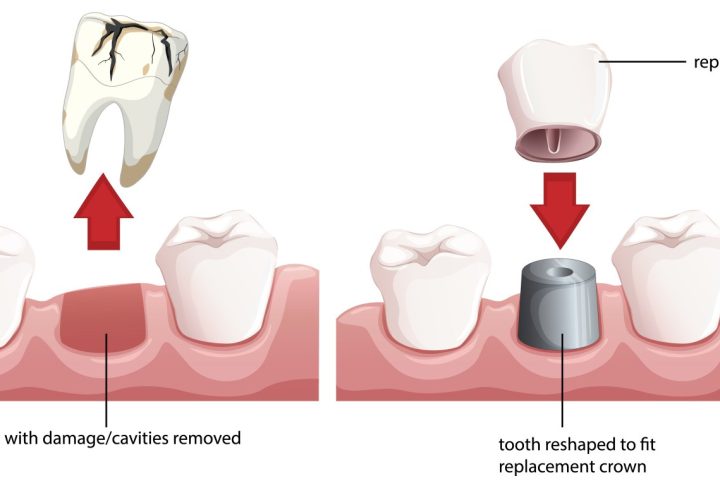
On the other hand, a dental crown is a cap that covers the entire tooth. Dentists use crowns when a tooth is badly damaged or weakened. Crowns can be made from materials like:
Since crowns cover the whole tooth, they offer more protection than fillings. They are often used after root canal treatment or when a large part of the tooth is missing.
Signs You Need a Tooth Filling
Sometimes, you may notice signs that you need a filling. Early treatment can prevent bigger problems. Common signs include:
For example, if your dentist finds a small area of decay during a checkup, a filling may be the best option. Early tooth decay treatment often involves fillings.
Signs You Need a Dental Crown
In contrast, some problems call for a dental crown instead of a filling. You might need a crown if you have:
Because crowns cover the whole tooth, they help protect it from breaking further. Your dentist will check if a crown is needed to save your tooth.
Key Differences Between Fillings and Crowns
While both fillings and crowns restore teeth, they are different in several ways. Here are the main differences:
Therefore, the dental filling vs crown decision depends on the size and type of tooth damage.
How Dentists Decide: Diagnosis and Assessment
First, your dentist will examine your tooth. They may use X-rays to see the damage. Next, they will check the size of the cavity or crack. If the damage is small, a filling is likely. However, if the tooth is weak or has a large area missing, a crown may be needed. Dentists also consider your bite and how much chewing force the tooth will face. In some cases, your dentist may suggest a crown to prevent future problems. Always ask about your dental restoration options during your visit.
What to Expect During Each Procedure
Knowing what happens during each treatment can ease your mind. For a filling, the dentist:
Usually, this takes one short visit. For a crown, the process involves:
Because crowns need to be custom-made, the process takes longer than a filling.
Tips for Tooth Restoration Longevity and Prevention
After getting a filling or crown, proper care helps them last. To keep your dental restorations strong:
Additionally, choosing the right dentist near you for tooth restoration can make a big difference. Good oral habits and regular dental visits help prevent future decay and damage. The American Dental Association recommends routine care to keep your teeth healthy and your restorations lasting longer.