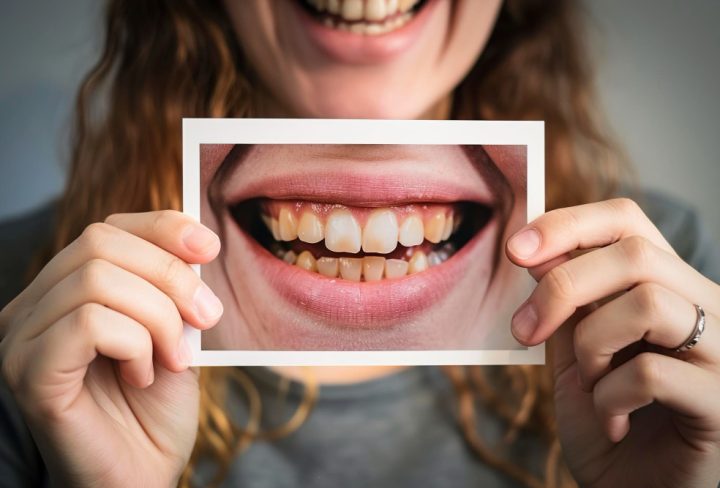
Many people feel self-conscious about their smiles. For some, gaps, uneven teeth, or tooth discolouration can affect confidence. However, smile designing offers solutions to these common dental concerns. With modern cosmetic dentistry solutions, you can achieve a brighter, even smile. In this blog, you will learn how smile designing can help fix tooth gaps, uneven teeth, and discolouration. You will also discover treatment options and tips for maintaining your results.
What Are Dental Gaps, Uneven Teeth, and Tooth Discolouration?
First, let’s understand these dental issues. Dental gaps are spaces between teeth. Uneven teeth may look crooked or out of line. Tooth discolouration means your teeth look yellow, brown, or stained. Although these problems are common, they can make people feel less confident. For example, some people may avoid smiling in photos. Others may cover their mouths when they laugh.
Common Causes of Gaps, Uneven Teeth, and Discolouration
Many factors can lead to these dental imperfections. While some are genetic, others result from daily habits. For instance, tooth gaps may be present from birth. On the other hand, uneven teeth can develop as you grow.
Because these causes vary, it is important to see a dentist for the right diagnosis.
How Smile Designing Addresses These Dental Issues
Smile designing is a set of cosmetic dentistry solutions that improve the look of your teeth. For example, it can help fix tooth gaps, straighten uneven teeth, and brighten discoloured teeth. Dentists use a mix of treatments to create a smile that suits your face. Importantly, smile designing is tailored to each person. As a result, you get natural-looking results that boost your confidence.
Diagnosis: How Dentists Assess Your Smile
Before starting treatment, dentists carefully check your teeth and gums. They may take photos, X-rays, or digital scans. Because every smile is unique, your dentist will ask about your goals. They will also check for any dental health problems. This step helps them choose the best cosmetic dentistry solutions for you. Sometimes, they may show you a preview of your new smile using computer images.
Smile Designing Treatment Options
There are many treatment options for fixing tooth gaps, uneven teeth, and discolouration. Your dentist will suggest the best plan based on your needs. Here are some popular choices:
Because each treatment has pros and cons, your dentist will explain what to expect. According to the American Dental Association, these treatments are safe when done by a trained professional.
Lifestyle Tips for Maintaining a Beautiful Smile
After smile designing, it is important to care for your teeth. With good habits, you can keep your smile bright and healthy. For example, brush your teeth twice a day with fluoride toothpaste. In addition, floss daily to remove food and plaque. Try to limit drinks and foods that stain teeth, such as coffee and red wine. Moreover, visit your dentist for regular check-ups and cleanings.
Because prevention is key, these habits can help you enjoy your new smile for years.
Prevention: How to Avoid Future Dental Imperfections
While smile designing can fix many problems, it is better to prevent them. For instance, teach children to brush and floss early. Regular dental visits help catch issues before they get worse. In addition, eat a balanced diet rich in vitamins and minerals. If you notice any changes in your teeth, see your dentist right away. According to the CDC, early care can stop many dental problems from becoming serious.
Because healthy habits start at home, you can protect your smile for life.