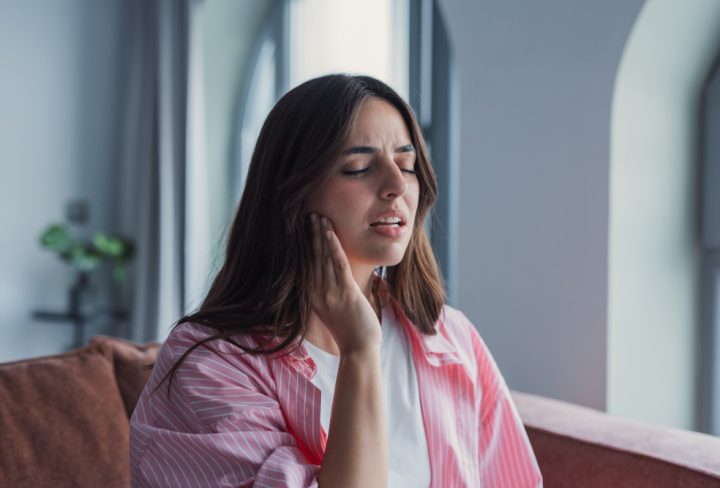
What Are Jaw Clicking Sounds?
Many people notice jaw clicking sounds when they open or close their mouth. These sounds can be soft or loud. Sometimes, they happen every time you chew or talk. Jaw clicking sounds are common. However, they may signal a problem with your jaw joint. This joint is called the temporomandibular joint, or TMJ for short. For some, jaw clicking is painless. Yet, others may feel discomfort or pain. Understanding jaw clicking sounds can help you know when to seek help.
Common Symptoms Associated With Jaw Clicking
Jaw clicking often comes with other symptoms. These signs can help you and your dentist find the cause. For example, you may notice:
Sometimes, these symptoms appear together. But, you might only have jaw clicking without pain. Even so, it is wise to watch for changes.
Main Causes of Jaw Clicking Sounds
Several things can cause jaw clicking sounds. Often, these involve the TMJ. Here are some common jaw popping causes:
In many cases, more than one cause may be involved. Still, TMJ disorder is one of the most common reasons for jaw clicking.
How Is Jaw Clicking Diagnosed?
First, your dentist or doctor will ask about your symptoms. Next, they will check your jaw movement. They may listen for clicking or popping. Sometimes, they will gently press on your jaw to find sore spots. In some cases, X-rays or scans help show the joint and bones. According to the CDC, a full exam is important for finding the right cause. If needed, your dentist may refer you to a TMJ specialist near you.
Treatment Options for Jaw Clicking
Treatment depends on the cause and how much pain you have. Many people get better with simple steps. However, some may need more care. Common jaw pain relief options include:
For ongoing symptoms, dentist advice for jaw clicking is key. You can find jaw clicking treatment near you by asking your local dental clinic.
Lifestyle Tips to Manage Jaw Clicking
There are simple ways to help manage jaw clicking at home. For instance, you can:
Even small changes can make a big difference. But, always check with your dentist before starting new exercises.
Preventive Measures for Jaw Clicking
Preventing jaw clicking is possible in many cases. Here are some helpful steps:
With these habits, you can lower your risk of jaw popping and TMJ disorder. If you notice new symptoms, seek dentist advice for jaw clicking right away.