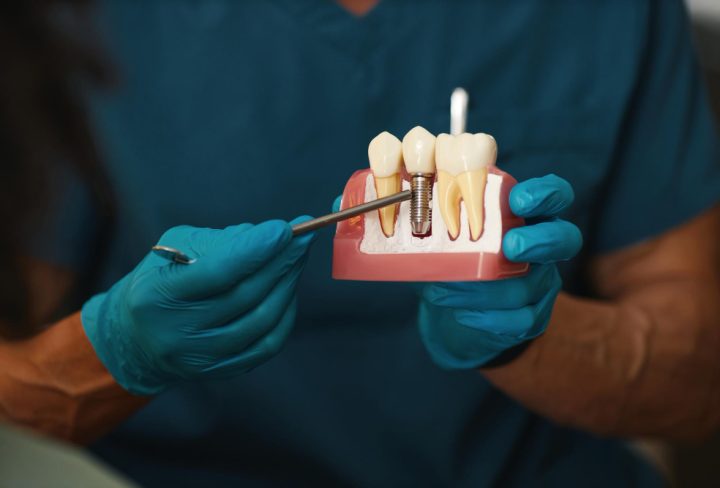
Many people face tooth loss at some point in life. Dental implants for restoring missing teeth offer a strong and lasting way to fill these gaps. Because missing teeth can lead to many problems, finding the right tooth replacement options is important. In this blog, you will learn how dental implants work, what issues missing teeth can cause, and how fixed dental solutions can help.
What Happens When You Lose a Tooth?
When you lose a tooth, your mouth goes through changes. First, the space left behind can affect how you chew and speak. Over time, nearby teeth may shift into the gap. As a result, your bite may change. In addition, the bone under the missing tooth can start to shrink. This bone loss can make your jaw weaker. According to the American Dental Association, even one missing tooth can impact your overall oral health.
Common Problems Caused by Missing Teeth
Missing teeth can lead to several issues. Not only do they affect your smile, but they can also cause health problems. For example, you may notice:
Because these problems caused by missing teeth can get worse, it is important to seek help early.
What Are Dental Implants?
Dental implants are small posts, often made of titanium, placed into your jawbone. They act like roots for new teeth. Once healed, a dentist attaches a crown, bridge, or denture to the implant. This creates a fixed dental solution that looks and feels like a real tooth. According to the CDC, dental implants are a safe and effective way to replace missing teeth.
How Dental Implants Restore Missing Teeth with Fixed Solutions
Dental implants for restoring missing teeth offer a strong and lasting fix. First, the dentist places the implant in your jaw. Over time, the bone grows around it, holding it in place. Then, a custom-made tooth is attached. Because implants are fixed dental solutions, they do not move or slip. You can eat, speak, and smile with confidence. Unlike removable dentures, implants stay in place and feel natural.
Benefits of Dental Implants Over Other Options
Dental implants have many advantages compared to other tooth replacement options. For example:
Because of these benefits, many people choose dental implants for fixed dental solutions.
Who Is a Good Candidate for Dental Implants?
Most adults with missing teeth can consider dental implants. However, some factors may affect your options. For instance, you should have healthy gums and enough bone in your jaw. If you smoke or have certain health conditions, your dentist may suggest other tooth replacement options. It is important to talk with your dentist to see if implants are right for you.
What to Expect During the Dental Implant Process
The dental implant procedure usually takes several steps. First, your dentist will check your mouth and take X-rays. Next, the implant is placed into your jawbone. After a few months of healing, the dentist attaches a new tooth. Because each person is different, the process may vary. Your dental team will guide you through each step and answer your questions.
Caring for Dental Implants: Tips for Long-Term Success
Dental implants can last many years with good care. To keep them healthy, you should:
Because implants act like real teeth, caring for them helps prevent problems and keeps your smile bright.
Preventing Tooth Loss: Oral Health Guidance
While dental implants for restoring missing teeth are a strong option, preventing tooth loss is best. For example, you can:
Because good oral habits lower your risk, you can help keep your natural teeth healthy for life.