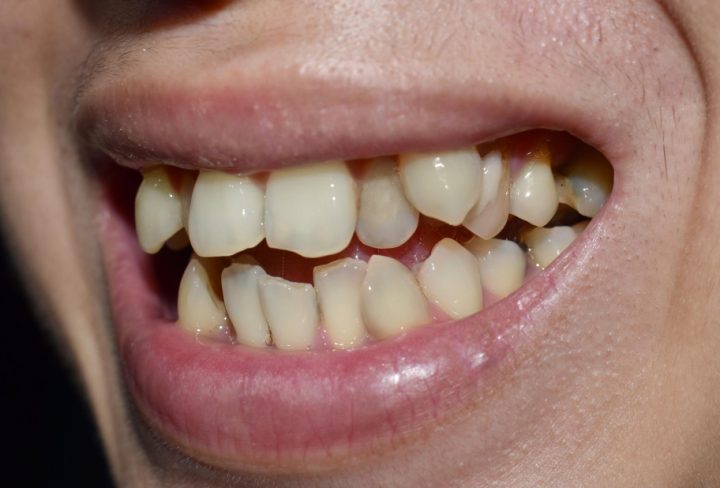
What Are Crowded Teeth?
Crowded teeth happen when there is not enough space in the mouth for all teeth to fit. As a result, teeth may overlap, twist, or push against each other. This dental crowding often makes it hard to clean teeth well. For many people, crowded teeth also affect their smile and confidence. Because crowded teeth are common, orthodontic care is important for both children and adults. Dentists and orthodontists use special treatments to help align teeth and improve oral health.
Common Symptoms of Crowded Teeth
Often, crowded teeth are easy to spot. However, some signs may be less obvious. For example, you might notice:
Sometimes, crowded teeth can also cause jaw pain or headaches. Because these symptoms can affect daily life, early orthodontic treatment can help.
Causes of Crowded Teeth
Several factors can lead to dental crowding. For instance, genetics often play a big role. If parents had crowded teeth, children may have them too. In addition, other causes include:
Because each person is different, dentists look at many factors before planning orthodontic care.
Health Risks Linked to Untreated Crowded Teeth
Untreated crowded teeth can cause several oral health problems. For example, it is harder to clean between crowded teeth, which can lead to:
According to the World Health Organization, good teeth alignment helps prevent gum disease and tooth loss. Therefore, treating dental crowding early supports long-term oral health.
How Dentists Diagnose Crowded Teeth
First, dentists perform a full mouth exam. Next, they may take dental X-rays to check teeth and jaw position. Sometimes, they use dental molds or digital scans to see how teeth fit together. Because each mouth is unique, dentists use these tools to plan the best orthodontic treatment. In many cases, early diagnosis helps prevent more serious problems later.
Orthodontic Treatment Options for Crowded Teeth
Today, there are several ways to treat crowded teeth. For example, orthodontists may suggest:
Because each person’s needs are different, orthodontists create a custom plan. In many cities, you can find orthodontic treatment options that fit your lifestyle. For instance, clear aligners are popular for adults who want a discreet look.
Benefits of Early Orthodontic Intervention
Early orthodontic care offers many advantages. For instance, it can:
According to the American Association of Orthodontists, children should see an orthodontist by age seven. Because early care can prevent bigger problems, it is a smart step for families.
Tips for Preventing Crowded Teeth in Children
While genetics play a role, parents can take steps to help prevent dental crowding. For example:
Because early habits shape future oral health, these steps can help children avoid crowded teeth and the need for complex orthodontic care later.