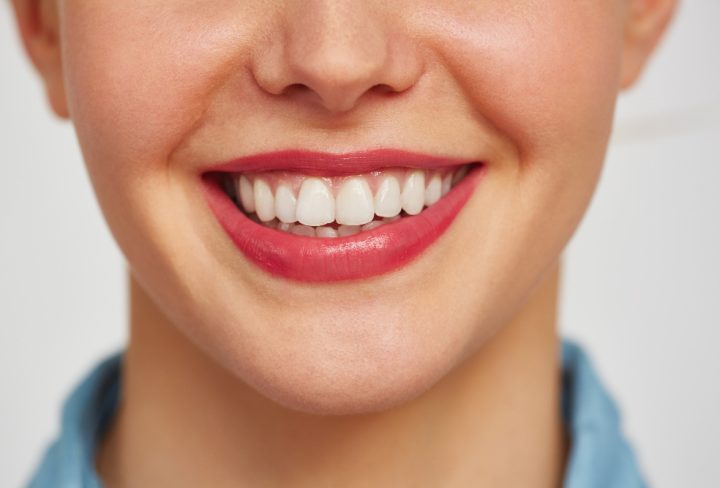
What Are Composite Veneers?
Composite veneers are thin layers of tooth-colored resin placed on the front of teeth. Dentists use them to improve the look of your smile. Often, people choose composite veneers to fix chipped, stained, or uneven teeth. Unlike porcelain veneers, composite veneers are made from a special dental resin. This resin is shaped and hardened directly on your teeth. Because of this, the process is usually quick and less invasive.
Many people ask about the difference between composite veneers vs porcelain veneers. Composite veneers are more affordable and can be applied in just one visit. However, porcelain veneers tend to last longer and resist stains better. Still, composite veneers remain a popular choice for those seeking a fast and cost-effective smile makeover.
Benefits of Composite Veneers
Composite veneers offer several advantages for people looking to improve their teeth. First, they are less expensive than porcelain options. In addition, the procedure is often completed in a single dental visit. For many, this means less time away from work or school.
Furthermore, composite veneers are reversible. If you change your mind, your dentist can often remove them with little harm to your teeth. According to dental studies, many patients are satisfied with the look and feel of their composite veneers for several years.
Who Is a Good Candidate?
Not everyone is the right fit for composite veneers. However, many people can benefit from them. You may be a good candidate if you have:
On the other hand, people with severe tooth decay or gum disease may need other treatments first. Also, if you grind your teeth often, composite veneers may not last as long. Dentists in many areas, including composite veneers in your city, can help you decide if this treatment is right for you.
The Composite Veneer Procedure
The process for getting composite veneers is simple and usually pain-free. First, your dentist will clean your teeth and choose a resin color that matches your smile. Next, they will gently roughen the tooth surface. This helps the resin stick better.
After that, the dentist applies the resin in thin layers. Each layer is shaped and then hardened with a special light. Once the final layer is in place, your dentist will polish the veneer. As a result, your new smile will look smooth and natural. Most people can return to normal activities right after the procedure.
Potential Risks and Side Effects
While composite veneers are safe for most people, there are some risks to consider. For example, the resin can chip or wear down over time. This is more likely if you bite hard foods or grind your teeth. In rare cases, you may notice mild tooth sensitivity after the procedure. However, this often goes away within a few days.
According to the American Dental Association, most side effects are mild and temporary. Still, regular dental visits help spot any problems early.
Maintenance and Care Tips
Proper care helps your composite veneers last longer. For best results, follow these simple tips:
Additionally, ask your dentist about composite veneers aftercare. They may suggest using a mouthguard if you grind your teeth at night. With proper care, many people enjoy their veneers for several years.
Cost Considerations
Cost is a key factor for many people. Composite veneers are usually more affordable than porcelain veneers. The price can vary based on where you live and the number of teeth treated. In some cases, dental insurance may cover part of the cost if veneers are needed for tooth repair.
Remember, while composite veneers cost less upfront, they may need repairs or replacement sooner than porcelain options.