Introduction
Dental crowns are a common solution for protecting weak or damaged teeth. If you wonder when does a tooth need a crown, you are not alone. Many people look for tooth protection options and damaged tooth solutions. In this blog, you will learn what dental crowns are, when they are needed, and how they help keep your smile healthy. Understanding your options can help you make the best choice for your dental health.
What Are Dental Crowns?
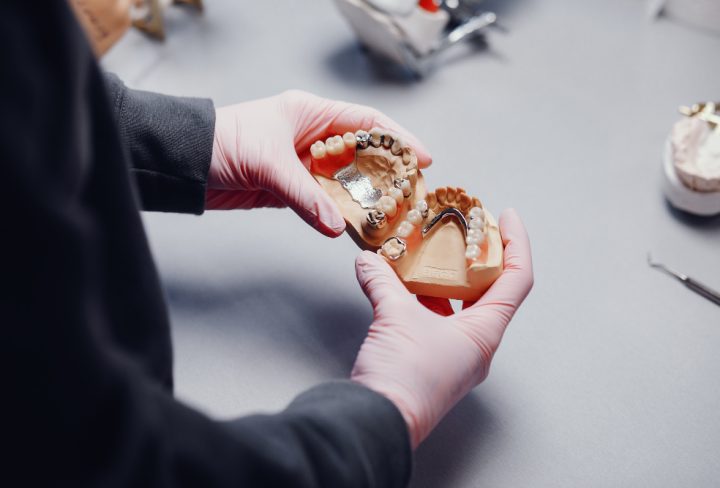
A dental crown is a cap that covers a damaged tooth. It looks and feels like a natural tooth. Dentists use crowns to restore the shape, size, and strength of a tooth. Sometimes, crowns also improve the look of your smile. For example, if a tooth is cracked or worn down, a crown can protect it from further harm. According to the American Dental Association, crowns are safe and effective for many dental problems.
Signs a Tooth Needs Protection
Not every damaged tooth needs a crown. However, some signs show when a tooth may need extra protection. Look for these signs:
If you notice any of these, it is wise to see a dentist soon. Early care can prevent bigger problems later.
Causes of Tooth Damage
Many things can damage your teeth. Some common causes include:
Because teeth are strong but not unbreakable, it is important to protect them from harm. The CDC notes that good oral care helps prevent most tooth damage.
How Dentists Diagnose the Need for a Crown
Dentists use several steps to decide if you need a crown. First, they will ask about your symptoms. Next, they will examine your mouth and teeth. Often, they take X-rays to check for hidden damage. If a tooth is too weak for a filling, a crown may be the best choice. Sometimes, dentists test how the tooth responds to pressure or temperature. This helps them find the right solution for you.
Types of Dental Crowns
There are different types of dental crowns. Each type has its own benefits. Your dentist will help you choose the best one. Common types include:
Because each type has pros and cons, it is important to discuss your needs with your dentist.
The Dental Crown Procedure: Step-by-Step
Getting a dental crown usually takes two visits. Here is what you can expect:
Most people feel little pain during this process. However, you may feel mild soreness for a day or two.
Benefits and Risks of Dental Crowns
Dental crowns offer many benefits. For example, they:
But, there are some risks. Sometimes, crowns can become loose or fall off. Rarely, you may feel sensitivity or discomfort. According to dental journals, most people have no serious problems with crowns. Still, regular dental visits help catch any issues early.
Caring for Your Dental Crown
Proper care helps your crown last longer. Here are some tips:
Because crowns can chip or crack, gentle care is best. If your crown feels loose or painful, call your dentist right away.
Prevention: How to Avoid Needing a Crown
While dental crowns are helpful, it is better to prevent tooth damage. You can lower your risk by:
Because prevention is easier than treatment, small daily steps can protect your teeth for life.
Conclusion
Dental crowns are a safe and effective way to protect damaged teeth. They restore function and improve your smile. If you think you need a crown or want to know more about tooth protection options, consult a dentist for personalized advice about dental crowns and tooth protection.