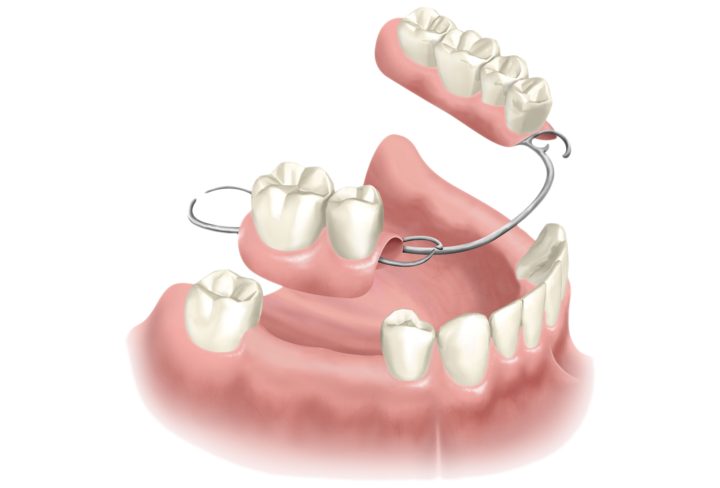
What Are Dental Bridges?
Dental bridges are a common solution for missing teeth. They fill the gap where one or more teeth are missing. A dental bridge uses nearby teeth or implants for support. As a result, your smile looks natural again. According to the American Dental Association, dental bridges help restore both function and appearance.
Who Needs a Dental Bridge?
Anyone with one or more missing teeth may need a dental bridge. Missing teeth can cause problems with chewing or speaking. Over time, nearby teeth may shift into the empty space. This can lead to bite problems or jaw pain. Therefore, a dental bridge is often recommended for:
Types of Dental Bridges
There are several types of dental bridges. Each type offers unique benefits. Your dentist will help you choose the best option. The main types include:
Each type of dental bridge has its own uses. For example, implant-supported bridges are often stronger and last longer.
Benefits of Dental Bridges
Dental bridges offer many advantages. Not only do they restore your smile, but they also improve your oral health. Some key benefits include:
Because dental bridges are fixed, they feel secure in your mouth. Many people find them comfortable and easy to use.
The Procedure: How Dental Bridges Are Placed
The dental bridge procedure usually takes two visits. First, your dentist prepares the nearby teeth. These teeth may need to be shaped for crowns. Next, your dentist takes impressions of your mouth. These impressions help create a custom bridge. While you wait, you may get a temporary bridge. At your second visit, the dentist fits and adjusts your new bridge. Once it fits well, the bridge is cemented in place. The whole process is simple and safe.
Caring for Your Dental Bridge
Proper dental bridge care is important for long-lasting results. With good care, a dental bridge can last many years. Here are some tips:
Because dental bridges need support from healthy teeth, keeping your mouth clean is key.
Risks and Considerations
Although dental bridges are safe, there are some risks. Sometimes, the supporting teeth may become weak or decayed. In rare cases, the bridge may become loose. However, regular dental visits can help catch problems early. If you have gum disease or weak teeth, your dentist may suggest other missing teeth solutions. Always discuss your options with your dental specialist.
Prevention: How to Avoid Tooth Loss
Preventing tooth loss is the best way to avoid needing a dental bridge. Simple steps can help protect your teeth:
By taking care of your teeth, you reduce the risk of needing missing teeth solutions in the future.
Frequently Asked Questions
In summary, dental bridges are a reliable solution for missing teeth. They restore your smile and improve your quality of life. Consult a dental specialist to find out if a dental bridge is right for you.