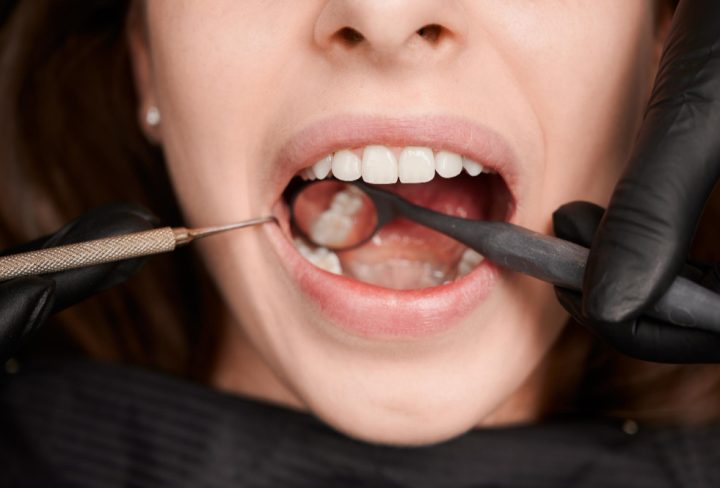
What Are Pit and Fissure Sealants?
Pit and fissure sealants are thin, protective coatings applied to the chewing surfaces of back teeth. Usually, these teeth have tiny grooves called pits and fissures. Because food and germs can get stuck in these grooves, they are more likely to develop cavities. Sealants help by covering these areas and making them easier to clean. In fact, pit and fissure sealants are a simple way to protect teeth from decay, especially in children and teens.
How Do Pit and Fissure Sealants Work?
First, the dentist cleans the tooth surface. Then, they paint a liquid sealant onto the grooves. After that, a special light hardens the sealant. As a result, the sealant forms a shield over the tooth. This barrier keeps out food and bacteria. Therefore, it lowers the risk of cavities. According to the CDC, sealants can prevent up to 80% of cavities in the first two years after application.
Benefits of Pit and Fissure Sealants
There are many reasons to consider sealants for yourself or your child. For example:
Because sealants are effective, many dental experts recommend them for children as soon as their permanent molars come in.
Who Should Get Pit and Fissure Sealants?
Most often, dentists suggest sealants for children and teenagers. This is because their new permanent teeth are more likely to get cavities. However, adults without fillings or decay in their back teeth can also benefit. In addition, people with deep grooves in their teeth may need sealants. If you are unsure, your dentist can help decide if sealants are right for you or your child.
The Procedure: What to Expect
The dental sealant procedure is simple and fast. Here is what usually happens:
Most appointments take only a few minutes per tooth. There is no pain, and you can eat right after the procedure.
Aftercare and Maintenance Tips
Once you have sealants, caring for them is easy. Still, you should follow these tips:
Because sealants can wear down over time, your dentist will check them at each visit. If needed, they can repair or replace the sealant.
Effectiveness in Preventing Tooth Decay
Many studies show that pit and fissure sealants are highly effective in preventing cavities. For example, the CDC reports that children with sealants have three times fewer cavities than those without. In addition, sealants work best when applied soon after the permanent molars come in. Therefore, getting sealants early can protect teeth during the years they are most at risk.
Common Myths and Facts
There are some myths about dental sealants. Let’s clear them up:
Potential Risks or Side Effects
Generally, pit and fissure sealants are very safe. However, a few people may have mild reactions, such as:
Because these side effects are uncommon, most people do not have any problems. If you notice anything unusual, contact your dentist.
When to Consult a Dentist
If you or your child are at risk for cavities, it is wise to ask your dentist about sealants. In addition, if you notice chips or wear in existing sealants, schedule a dental visit. Your dentist can check the sealants and suggest repairs if needed. Remember, regular dental check-ups help keep your teeth healthy and strong.
In summary, pit and fissure sealants are a safe and effective way to prevent tooth decay. They are quick to apply and last for years. Consult your dentist to find out if pit and fissure sealants are right for you.