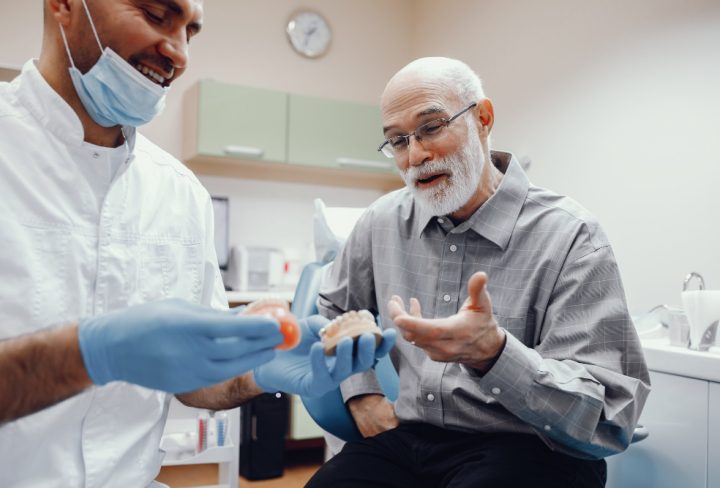
Introduction
Dental implants are strong, artificial tooth roots. Dentists use them to replace missing teeth. Many people choose dental implants because they look and feel like natural teeth. In fact, dental implants help restore your smile and improve chewing. If you are missing one or more teeth, you may wonder if dental implants are right for you. This blog will help you understand who needs dental implants, their benefits, and what to expect from the process.
Who Needs Dental Implants?
Not everyone needs dental implants, but many people can benefit. Usually, dental implant candidates include those who:
For example, if you have trouble eating or speaking because of missing teeth, dental implants may help. According to the American Dental Association (ADA), dental implants are a safe and effective option for many adults.
Benefits of Dental Implants
Dental implants offer many advantages over other tooth replacement options. Some key benefits include:
Additionally, dental implants help keep your jawbone healthy. They prevent bone loss that can happen when teeth are missing.
Risks of Not Replacing Missing Teeth
Leaving gaps in your smile can cause problems. Over time, missing teeth may lead to:
Therefore, replacing missing teeth with dental implants can help protect your oral health and overall well-being.
How Dental Implants Compare to Other Options
When replacing missing teeth, you have several choices. Dental implants, bridges, and dentures are the most common. However, dental implants offer unique benefits:
Because dental implants are stable and long-lasting, many people prefer them over other options. If you are searching for dental implants in your area, ask your dentist about the best choice for you.
What to Expect: The Dental Implant Process
Getting dental implants usually takes a few steps. Here is a brief overview:
Most people feel little pain during the process. Your dentist will explain each step and answer your questions.
Frequently Asked Questions
Conclusion and Call-to-Action
In summary, dental implants are a strong and natural-looking way to replace missing teeth. They help restore your smile, protect your oral health, and improve your quality of life. If you are thinking about dental implants, talk to a dental specialist. They can help you decide if implants are right for you and guide you through the process.