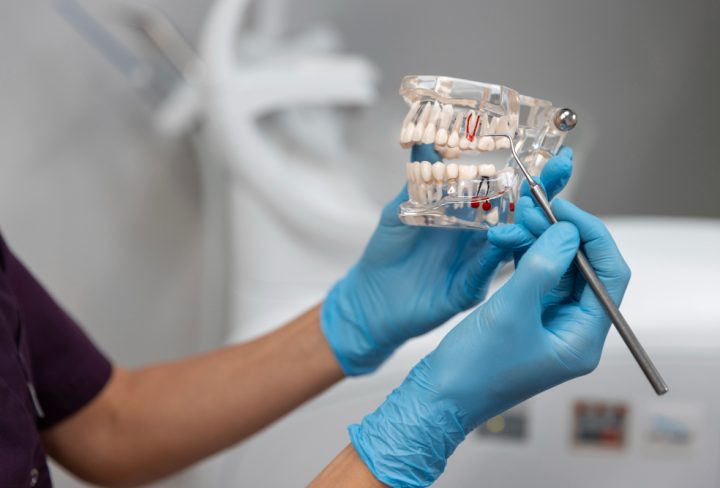
What is a Dental Implant?
Dental implants are a popular solution for missing teeth. They act as artificial tooth roots. Usually, a dentist places them into your jawbone. Over time, the implant bonds with the bone. This creates a strong base for a new tooth. Because of this, dental implants look and feel like natural teeth. Many people choose dental implants for tooth replacement. According to the American Dental Association, dental implants are safe and effective for most adults.
How Does the Dental Implant Procedure Work?
The dental implant procedure happens in several steps. First, your dentist checks your mouth and health. If you are a good candidate, the process begins. Here is what you can expect:
Each step is important. However, the healing time can vary for each person. Your dentist will guide you through every stage of the dental implant procedure.
Benefits of Dental Implants
Dental implants offer many benefits over other missing teeth solutions. For example, they:
In addition, dental implants do not harm nearby teeth. Unlike bridges, they do not need support from other teeth. This helps protect your dental health for the long term.
Aftercare and Recovery Tips
Proper aftercare is key for dental implant success. Right after the procedure, you may feel some swelling or discomfort. This is normal. To help your recovery, follow these tips:
With good care, dental implants can last for many years. If you notice pain or swelling that does not go away, contact your dentist right away.
Frequently Asked Questions about Dental Implants
In summary, dental implants are a strong and lasting way to replace missing teeth. They look and work like natural teeth. If you want to learn more, consult a qualified dentist to learn if dental implants are right for you.